
In this article
- 1. Why Dubai keeps drawing visitors
- 2. Burj Khalifa and Downtown Dubai
- 3. Old Dubai — the creek, the souks and the heritage
- 4. The desert safari
- 5. Beaches, marinas and the Palm
- 6. Where to stay
- 7. When to visit Dubai
- 8. Getting to Dubai
- 9. Getting around Dubai
- 10. Staying connected with an eSIM
- 11. Muslim-friendly travel in Dubai
- 12. Protecting your trip
- 13. Beyond Dubai
Dubai is the city that built the future in the desert — a place where the world's tallest building, the largest mall and artificial islands sit beside a creek where wooden dhows have traded for a century. It is a city of superlatives, but its appeal is broader than the headlines: warm winter sun, excellent beaches, a safe and family-friendly environment, world-class dining and a desert landscape that begins where the city ends. This guide covers what to see, where to stay, when to go, how to get around, how to stay connected and how to compare current offers from multiple travel brands before completing your booking with a partner.
Why Dubai keeps drawing visitors
Dubai's appeal is that it makes the difficult easy. The weather is reliably sunny from October to April, the infrastructure is world-class, the city is exceptionally safe, and almost everyone speaks English. It is a hub between East and West, which makes it a natural stopover and a destination in its own right. Beyond the glitz, there is genuine culture in the old quarters, real adventure in the desert, and a food scene that draws from the entire region and the huge expatriate population. It is also one of the most Muslim-friendly destinations anywhere, which makes it comfortable for a very wide range of travellers.
Burj Khalifa and Downtown Dubai
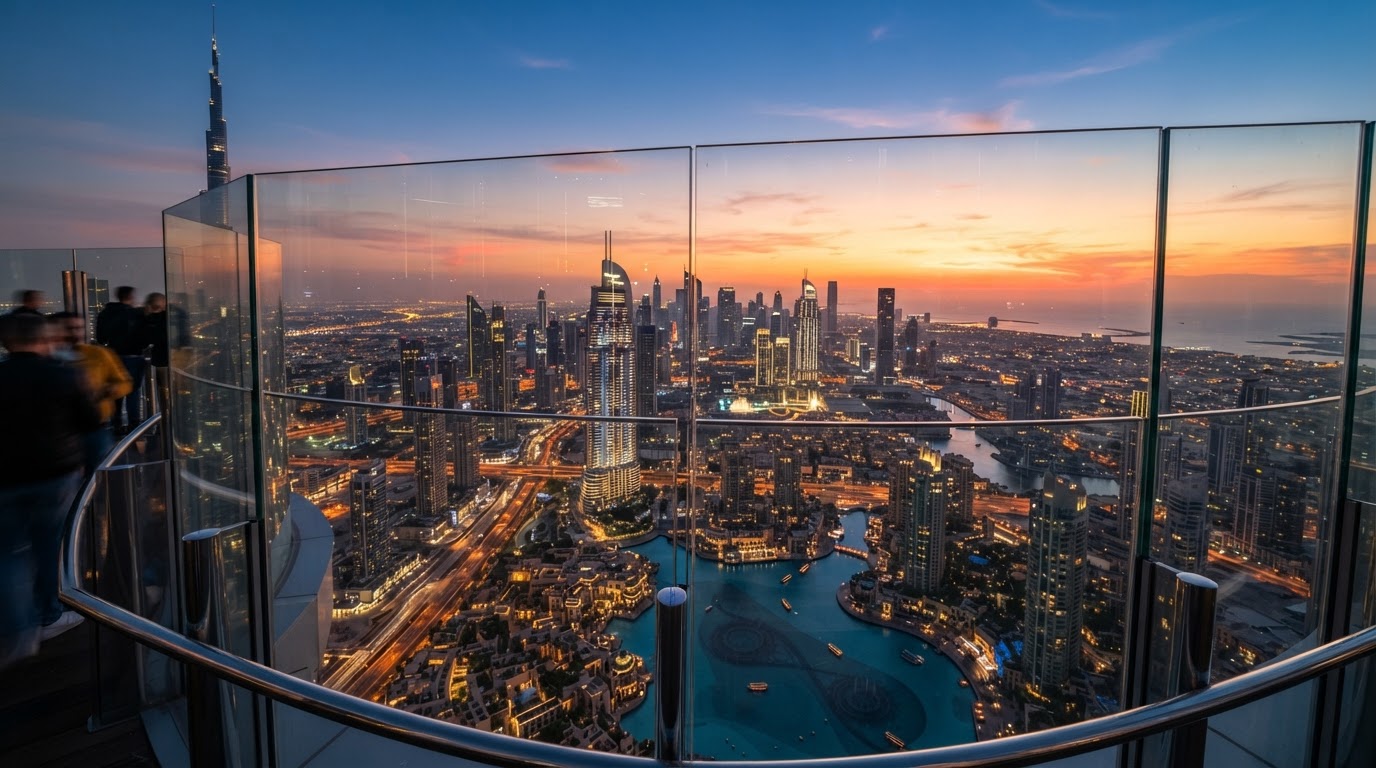
The Burj Khalifa, at 828m the tallest building in the world, is the symbol of modern Dubai. The observation decks on the 124th and 148th floors offer the headline views — book in advance and go at sunset to see the city in daylight, the golden hour and lit up at night. At the base, the Dubai Mall is one of the world's largest, with an aquarium, an ice rink and the Dubai Fountain, which puts on a free water-and-music show every evening. The fountain is best viewed from the waterfront promenade or a restaurant terrace. Book Burj Khalifa tickets through a platform to skip the on-site queue.
Old Dubai — the creek, the souks and the heritage
For the soul of Dubai, head to Dubai Creek. Take a traditional abra (wooden water taxi) across the creek for a few dirhams. On the Deira side, the Gold Souk is a dazzling lane of jewellery shops, and the Spice Souk is a fragrant maze of cardamom, saffron and frankincense. On the Bur Dubai side, the Al Fahidi Historic District is a restored quarter of wind-tower houses, art galleries and the excellent Dubai Museum in the Al Fahidi Fort. The Grand Mosque (not the same as the Jumeirah Mosque) is in this area. This is the Dubai that existed before the oil, and it is the best counterpoint to the skyscrapers.
The desert safari
No visit to Dubai is complete without a trip into the desert. A desert safari typically includes dune-bashing in a 4x4, sandboarding, a camel ride, a BBQ dinner at a Bedouin-style camp and traditional entertainment (belly dancing, tanoura). The dunes begin about 45 minutes from the city, and the sunset over the sand is spectacular. Book through a reputable operator — compare safari and tour options across providers — and check what is included. For a more upscale experience, a private desert dinner or a stay at a desert resort like Al Maha or Bab al Shams is unforgettable. The desert is best in the cooler months; in summer, evening safaris are the only comfortable option.
Beaches, marinas and the Palm
Dubai has excellent beaches. Jumeirah Beach and Kite Beach are the public stretches with views of the Burj Al Arab, the sail-shaped hotel. The Beach at JBR is the lively beachfront with restaurants and the Ain Dubai (the giant observation wheel). The Palm Jumeirah, the artificial palm-shaped island, is home to the Atlantis resort, Aquaventure waterpark and The Pointe promenade with its fountain show. For a quieter beach day, head to the public beaches on the Palm's trunk or the resort beaches (day passes available). La Mer is a beachfront development with dining and retail. The water is warm year-round and the beaches are well-maintained and safe.
Where to stay
Dubai's hotel scene is among the best in the world. Downtown and Business Bay put you near the Burj Khalifa and the mall. The Marina and JBR offer beachfront and promenade living with great dining. The Palm offers resort-style luxury. Deira and Bur Dubai offer more affordable, more authentic options near the creek. Jumeirah is the established villa and beach resort area. Compare hotel options across booking platforms to find the right balance of location, price and style for your trip, and note that prices vary dramatically between the high winter season and the hot summer.
When to visit Dubai
The best time to visit is the cooler season, from November to March, when daytime temperatures are a pleasant 24-30°C and evenings are cool. This is peak season, so prices are highest and attractions busiest. April and October are shoulder months — warm but not unbearable. From May to September, temperatures regularly exceed 40°C and outdoor activity is limited to early morning and late evening; this is when hotels are cheapest and malls are the main activity. Ramadan (dates vary) affects opening hours and dining during the day, though tourist services continue; it is a respectful and interesting time to visit if you observe the customs. Avoid the peak of summer if you want to spend time outdoors.
Getting to Dubai
Dubai International Airport (DXB) is one of the world's busiest hubs, with direct flights across the globe. Compare flights across providers — Dubai is a major Emirates hub, but many other carriers serve it. The airport is in the city, so transfer times are short. The Dubai Metro connects the airport to the main districts. A pre-booked private transfer is the most convenient option if you have luggage or a group; compare transfer providers for fixed-price meet-and-greet services. Taxis are metered, plentiful and reasonably priced.
Getting around Dubai
Dubai is easy to navigate. The Dubai Metro is clean, air-conditioned and covers the main spine from the airport through Downtown and the Marina, though it does not reach everywhere. Taxis are cheap, metered and plentiful. Ride-hailing apps work well. For exploring at your own pace, compare car rental options — driving is on wide, well-signed roads, though the summer heat makes a car with good air conditioning essential. For women travellers, there are pink-roofed taxis driven by women. The city is spread out, so plan your days by area to minimise travel time.
Staying connected with an eSIM
The UAE has fast, reliable mobile data, and a travel eSIM is the easiest way to have it from the moment you land. Compare data-only eSIMs across providers, checking data allowances and validity. Note that the UAE has some internet restrictions (certain VoIP and messaging services may be limited), so check what works before you rely on it. A single-country UAE plan is usually cheapest; a regional Middle East plan is better value if you are combining Dubai with neighbouring Gulf countries. Remember that most travel eSIMs are data-only, so keep your home line active for SMS verification codes.
Muslim-friendly travel in Dubai
Dubai is one of the most Muslim-friendly destinations in the world. The UAE is a Muslim-majority country, halal food is the norm across the city, and mosques are plentiful (the Jumeirah Mosque offers guided tours to non-Muslims, one of the few that does). Prayer facilities are available everywhere — in malls, airports and public buildings. During Ramadan, the city adapts: daytime eating and drinking in public is restricted for everyone (not just Muslims), but iftar meals after sunset are a wonderful experience, and tourist hotels and malls continue to serve food in screened areas. Dress modestly outside the beach areas. Dubai is safe, family-friendly and welcoming to all.
Protecting your trip
Travel insurance is recommended for Dubai — medical care is excellent but expensive, and the summer heat can cause issues for unprepared visitors. Compare policies and check what is included. If your flight to or from Dubai is delayed, cancelled or overbooked, you may be entitled to compensation under applicable air passenger rights regulations; specialist services can check your eligibility and handle the claim with the airline on your behalf. Keep your boarding pass and booking reference until you are home.
Beyond Dubai
Dubai is a great base for the wider UAE and the Gulf. Abu Dhabi, the capital, is 1.5 hours away by road and home to the spectacular Sheikh Zayed Grand Mosque and the Louvre Abu Dhabi. The other emirates — Sharjah (the cultural capital), Ras Al Khaimah (mountains and adventure) and Fujairah (east coast diving) — each have their own character. Oman is a short flight or a scenic drive away. Compare flights, transfers and hotels across providers to build the route that works for your dates and budget.
Recommended Offers
Relevant offers for this trip. You'll be redirected to the partner to complete your booking.
Flights to Dubai
Check PriceTours & activities in Dubai
View DealsAttraction tickets in Dubai
View OfferExperiences & day tours in the UAE
View DealsCity passes & multi-attraction tickets
View PassesSelf-guided audio walks in Dubai
View OfferDubai airport private transfer
Check PriceAirport transfer with English-speaking driver
View AvailabilityCompare airport transfer prices
Check PriceShared & private airport transfers
View Offerthe UAE eSIM data
View DealUnlimited the UAE data eSIM
View DealFlexible global data eSIM
View DealPrepaid the UAE data eSIM
View DealLuggage storage in Dubai
View DealCar rental comparison in the UAE
Check PriceCar rental across the UAE
Check PriceCar hire with price-drop protection
Check PriceCar hire with AutoEurope
Check PriceLocal car rental in the UAE
Check PriceScooter & motorbike rental
Check PriceFlight delay compensation check
Check EligibilityFlight compensation claim service
Check EligibilitySome links may be affiliate links. JalanDeals may earn a commission when you book through selected partners.
Frequently Asked Questions
How many days do I need in Dubai?
Three to four days is enough for the Burj Khalifa, the souks, a desert safari and the beaches. Add a day for Abu Dhabi if you have time.
When is the best time to visit Dubai?
November to March is the cool, pleasant peak season. April and October are warm shoulder months. May to September is very hot (40°C+) and best for indoor and evening activities. Ramadan affects daytime dining.
How do I get from Dubai airport to the city?
The Dubai Metro connects the airport to the main districts. A pre-booked private transfer is easiest with luggage; taxis are metered and reasonably priced.
Is Dubai Muslim-friendly?
Very. The UAE is Muslim-majority, halal food is the norm, mosques are plentiful, and prayer facilities are everywhere. The Jumeirah Mosque offers guided tours to non-Muslims.
Do I need a visa for the UAE?
The UAE offers visa-free or visa-on-arrival entry to many nationalities — check the official UAE immigration guidance for your passport before travel.
Which eSIM works in the UAE?
Compare data-only eSIMs from Airalo, Yesim, Drimsim and Saily that cover the UAE. Note some VoIP services may be restricted; check what works before you rely on it.
Explore more
Related destination hubs and deal categories for this trip.
Deal categories
Affiliate disclosure: This article contains affiliate links. JalanDeals may earn a commission when you book through selected partners, at no additional cost to you. Prices and availability are set by the provider.